

Sexual Trauma Recovery Starts Here.
Various Programs for Your Healing Journey
Take your first step toward recovery with safe, guided pathways designed for survivors of sexual trauma.
Learn more →Personal Support, One-on-One
Work closely with a trauma-informed coach to process, heal, and grow at your own pace.
Learn more →Healing Together in Community
Join group sessions where survivors connect, share, and grow stronger together.
Learn more →Public Speaking: Raise Your Voice
Invite Jean Dorff to speak at your event or organization about narrative healing and recovery.
Learn more →Transform Your Story — Books
Learn how to turn your experience into words of healing, empowerment, and even publication.
Learn more →Resources: Blogs & Podcasts
Read survivor stories, research-based insights, and listen to empowering conversations.
Learn more →
Founder
Over 30+ years of experience helping survivors heal.
“What sets TES apart is the depth of experience behind it. Jean brings over 30 years of lived practice — blending survivor advocacy, somatic work, and narrative transformation. For me, that meant I wasn't just given tools, I was given a companion who had already walked the path of healing and knew how to guide me. That kind of experience is rare, and it made all the difference.”
If you are here, you've already carried more than most will ever understand. Healing from sexual trauma is not about rushing or proving anything — it's about being met with safety, compassion, and the belief that your voice matters. You don't have to walk this road alone.
For more than 30 years, I've helped survivors reclaim their stories, release the weight of silence, and discover new strength within themselves. My work blends personal experience with professional training in trauma recovery, somatic healing, and narrative transformation — so every step is both deeply human and carefully guided.
This is a place where your story will be honored, your pace respected, and your healing supported. You are not defined by what happened to you. Here, you'll find a path forward — one that leads from pain to purpose, and from survival to the freedom of living fully.
— Jean Dorff
“Before TES, I felt like my past defined me. Now, I've not only reclaimed my voice — I've written and published my own book to help others.”
“I never thought I could feel whole again. TES showed me that healing is about stepping into who I want to be, not just processing who I was.”
“This program changed my life.”
Published with our clients
Your Story Matters. We Help You Share It.
Check out the books we've published with our clients.


A first step
Sexual Trauma Recovery Starts Here.
Your healing journey can start today — with safety, compassion, and a guide who has walked the path.
Your Healing Journey Can Start TodayFrom the journal
Recent Blog Posts
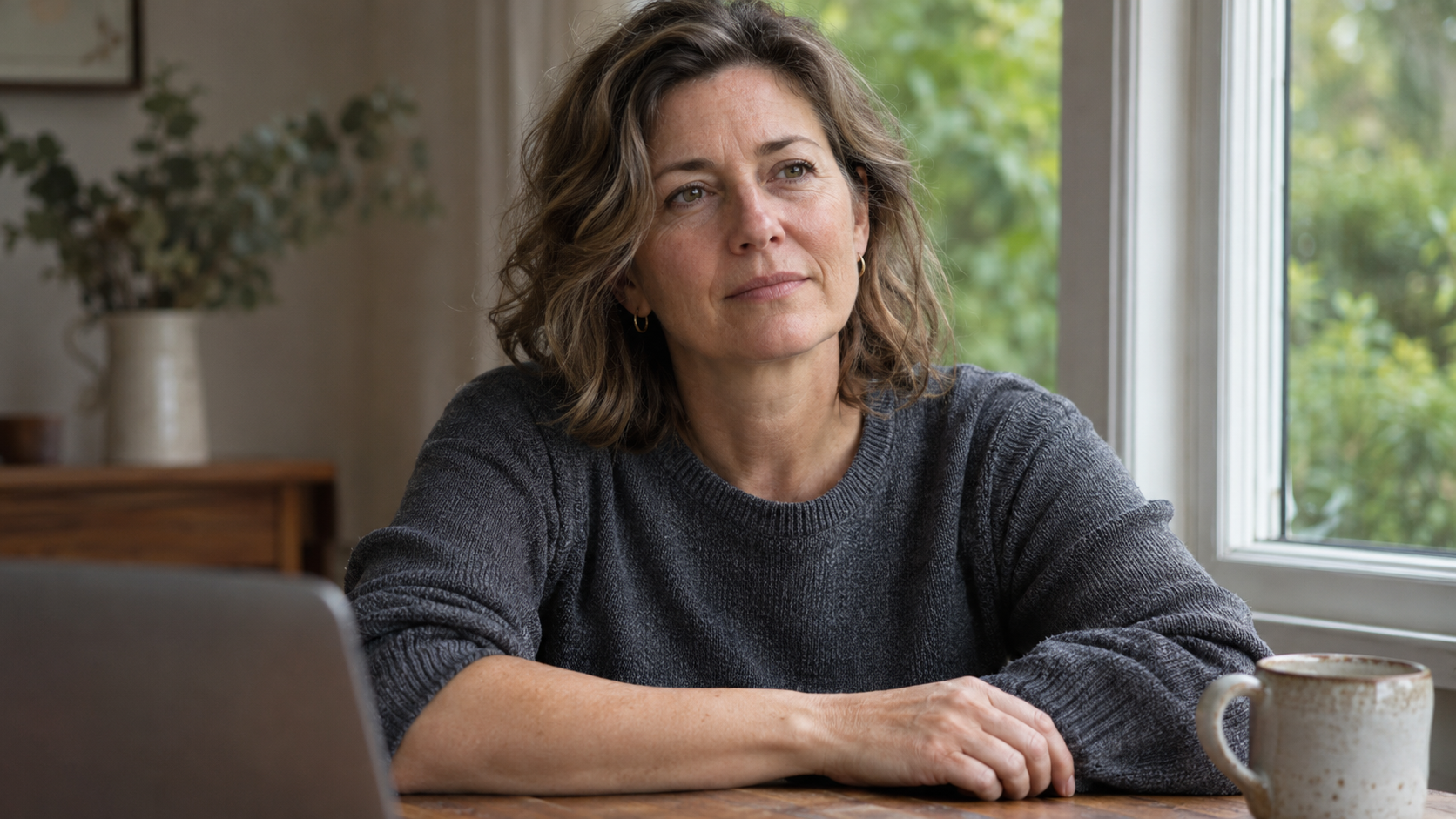
November 2026
The Loneliness of Not Being Heard: When Today's Silence Awakens Yesterday's Pain
When today's silence awakens yesterday's pain, Jean Dorff explores how survivors can honor both experiences, stay with difficult feelings, and reclaim choice.
Read more
October 2026
When Rest Feels Like a Risk: Why Trauma Survivors Struggle to Unplug and How the Nervous System Relearns Safety
Why can rest feel unsafe after trauma? Jean Dorff explores hypervigilance and how small, chosen experiences help the nervous system relearn safety.
Read more
October 2026
Coloring and the Nervous System: How Small Choices on the Page Begin a New Story
Coloring can support nervous system regulation through clear boundaries, rhythmic movement, and small choices. Jean Dorff explores what it can—and cannot—offer trauma recovery.
Read moreApple Podcasts
Podcast Episodes

S4:22 The Loneliness of Not Being Heard: When Today's Silence Awakens Yesterday's Pain
Do minor setbacks trigger deep-seated feelings of powerlessness? Learn how to connect your current struggles to your history of trauma. 📺 ABOUT THIS VIDEO In this episode of the Empowering Story Podcast, trauma recovery coach Jean Dorff explores the unexpected intersection between modern-day frustrations and deep-rooted emotional wounds. When Jean lost control of his business social media pages, he was surprised to find himself re-experiencing the same feelings of isolation and helplessness he felt as a child. This reflection is for anyone who has ever wondered why a seemingly small event triggered a disproportionate emotional reaction. Jean provides a compassionate roadmap for separating present-day stressors from past trauma, offering listeners a way to regain their sense of agency. By learning how to hold both the current reality and the older feelings simultaneously, you can move forward with greater self-compassion. This episode is designed to help you navigate triggers, understand the impact of being unheard, and ultimately reclaim your own voice. Whether you are currently in a crisis or looking to understand your emotional patterns, this discussion offers tools for healing, emotional intelligence, and trauma recovery. Join us in a space where your feelings are validated, and your journey toward healing is honored. 🔑 KEY TAKEAWAYS • Learn how to distinguish between current situational stress and past childhood trauma triggers. • Understand why feeling 'unheard' can be a powerful trigger for those with a history of neglect or abuse. • Discover how to use mindful observation to prevent the urge to withdraw from taking over your decision-making. • Develop strategies to maintain your sense of self-worth when external institutions or people fail to acknowledge your needs. ⏱️ TIMESTAMPS 0:00 - Welcome to the Empowering Story Podcast 0:23 - Recognizing the connection between past and present 0:53 - The loss of control and the feeling of being unheard 2:17 - Exploring the link to childhood experiences 5:06 - Finding agency and making conscious decisions 7:43 - A guide for when you aren't being heard 9:07 - Final reflections and closing 💬 NOTABLE QUOTES Their response tells you what you received from them. It cannot tell you what you are worth. - Jean Dorff I could notice the urge to withdraw without immediately acting on it. I could give myself room to feel before deciding what to do next. - Jean Dorff #TraumaRecovery #EmotionalHealing #SelfCompassion #MentalHealthSupport #EmpoweringStory
S4: E21 When Rest Feels Like a Risk
Show Notes: The Empowering Story Podcast Episode: When Rest Feels Like a Risk Hosts:Nia, and Jean Dorff Episode Overview In this episode, Nia and Jean Dorff dive into the surprising complexities of rest, exploring why, for some, slowing down can feel not restful but risky, especially for those with a history of trauma or childhood abuse. The conversation uncovers how vigilance, busyness, and difficulty unplugging may be shaped by lived experience, and offers a compassionate, practical perspective on making peace with stillness and self-care. Key Topics Covered - The Paradox of Rest: Why even the desire to rest can be overridden by anxiety, restlessness, or familiar habits of busyness and control [00:01:29](/timestamps/89). - Vigilance & Trauma: How growing up in unpredictable or unsafe environments can make constant alertness feel familiar, sometimes making rest feel threatening or uncomfortable [00:04:23](/timestamps/263). - Capacity vs. Permission: Exploring the difference between having the physical opportunity to rest, and feeling genuine internal permission for stillness [00:08:01](/timestamps/481). - Rest Beyond Stillness: Why quietness doesn't always mean calm, how true rest can also be found in movement, creativity, or gentle activity, not just sitting still [00:12:24](/timestamps/744). - Practical Suggestions: How to approach rest in small, manageable, and voluntary ways—without turning it into another self-improvement project [00:14:45](/timestamps/885). - Unplugging & Attention: Broadening the definition of “unplugging” beyond digital devices, to include stepping away from constant demands for attention, usefulness, or productivity [00:17:38](/timestamps/1058). - Ordinary Moments as Authorship: The importance of reclaiming ordinary moments as acts of self-authorship, rather than feeling pressured to make every moment productive or healing [00:21:04](/timestamps/1264). --- Quotes & Highlights - “Rest does not have to become another thing you need to get right… They can begin with curiosity.” Jean Dorff [00:22:57](/timestamps/1377) - “We can stop judging our own experiences by how they look. A woman working quietly in her garden may be experiencing a meaningful moment of peace. Someone lying on a sofa may be overwhelmed by worry.” Jean Dorff [00:14:13](/timestamps/853) - “You don't have to turn every moment of your life into something to accomplish. Some moments are simply yours to experience.” Nia [00:25:31](/timestamps/1531) Resources & Further Reading - Read Jean Dorff 's article: *When Rest Feels Like a Risk* at theempoweringstory.com (http://theempoweringstory.com) - Learn more about The Empowering Story's trauma recovery support and writing Takeaway If you struggle with resting or unplugging, know that it doesn’t mean you are failing or broken. There’s no one-size-fits-all way to restore yourself. Rest can look like stillness, gentle activity, or even a few mindful sips of coffee—what matters is that the experience is yours to choose. If rest brings up distress or traumatic memories, consider reaching out to a trauma-informed professional for support. This conversation is educational and is not a substitute for individualized mental health care. Thank you for listening to The Empowering Story Podcast. This space will be here when you return. Nervous system regulation, Trauma-informed rest, How to relax after childhood trauma, Anxiety when trying to relax, Somatic awareness, Trauma and sleep difficulties, Emotional safety after abuse, Unplugging and mental well-being, Rest without guilt, Reclaiming safety and choice, Mind-body connection and trauma, Healing after sexual abuse
#4/20 Coloring and the Nervous System, When Small Choices Become New Evidence
Show Notes: Coloring and the Nervous System, When Small Choices Become New Evidence Podcast: The Empowering Story Podcast Episode: Coloring and the Nervous System, When Small Choices Become New Evidence Hosts: Nia & Jean Dorff Episode Overview This episode explores how small, everyday activities, like coloring, can offer important, usable experiences for a nervous system shaped by trauma. While understanding our triggers is important, Shawn Dorff discusses why explanation alone isn’t always enough to create real change in the body. Instead, gentle, low-demand activities can provide structure without coercion and choice without consequence, allowing the nervous system to encounter new, safer evidence about what is possible. Key Themes Difference Between Understanding and Change: Knowing why you react a certain way is not the same as being able to change how your body responds 00:00:17, 00:06:04. The Power of Small Choices: Simple decisions on a coloring page (like which color to use or whether to finish) can become new evidence for a nervous system learning it has choices 00:01:29, 00:07:41. Structure vs. Demand: A helpful structure acts as a container, supporting safety without becoming one more test to pass 00:02:05, 00:02:48. Flexibility Over Stillness: Regulation isn’t about appearing calm; it’s about having options and flexibility in how you respond 00:09:02, 00:10:07. Small Experiences as New Evidence: Gentle, choice-rich experiences (like coloring, dancing, gardening) can provide a different kind of information to the body, slowly teaching it that choices are safe and available 00:08:12, 00:15:35. Cautions About Overpromising: Coloring cannot resolve or erase trauma by itself and is not a substitute for therapy, safety, or supportive relationships 00:10:56, 00:11:41. Resources Mentioned Free Sample, Peaceful Abundance (Coloring Book): Try 3 selected coloring spreads designed by Shawn Dorff to provide structure and freedom 👉 innerconditionpress.com/free/peaceful-abundance-edition-1 00:16:28 Learn More: Discover more about Peaceful Abundance and Inner Condition Press 👉 www.innerconditionpress.com 00:16:45 Reflection Question Before you go, consider carrying this question with you: Not "Am I calm yet?" but "Do I have a little more choice available to me than I had before?" 00:16:58 Thank you for listening to The Empowering Story. This space will be here when you return.