

We’re all holding our breath.
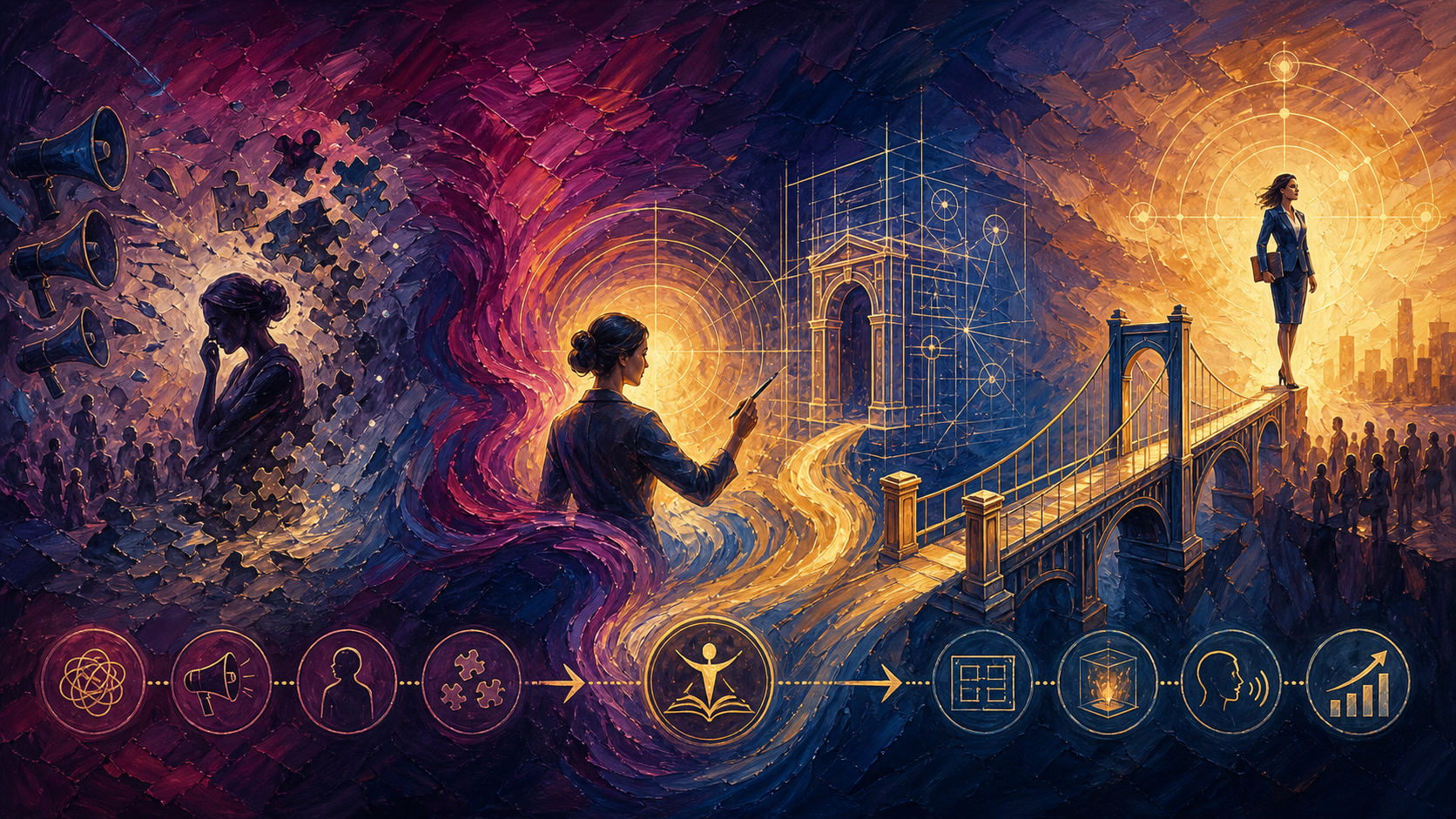
In my early years working with survivors, I noticed something. Each person came into the room with the same quiet hope: “One day I’ll finally be at peace.” And beneath it, the same subtle postponement: “But not yet.” I recognized myself in that waiting. After trauma, I imagined peace as a distant shore. I just needed to swim harder, heal faster, work more deeply to reach it. But I began to see something. The more survivors tried to reach peace, the more exhausted they became. The more they pushed toward calm, the further calm drifted away. That’s when I understood: peace doesn’t arrive because we chase it. It arrives because we match its rhythm. As a trauma recovery coach and author, I’ve spent years helping survivors move from waiting for peace to embodying it. What I’ve learned has changed how I understand healing itself.
What Trauma Does to Rhythm
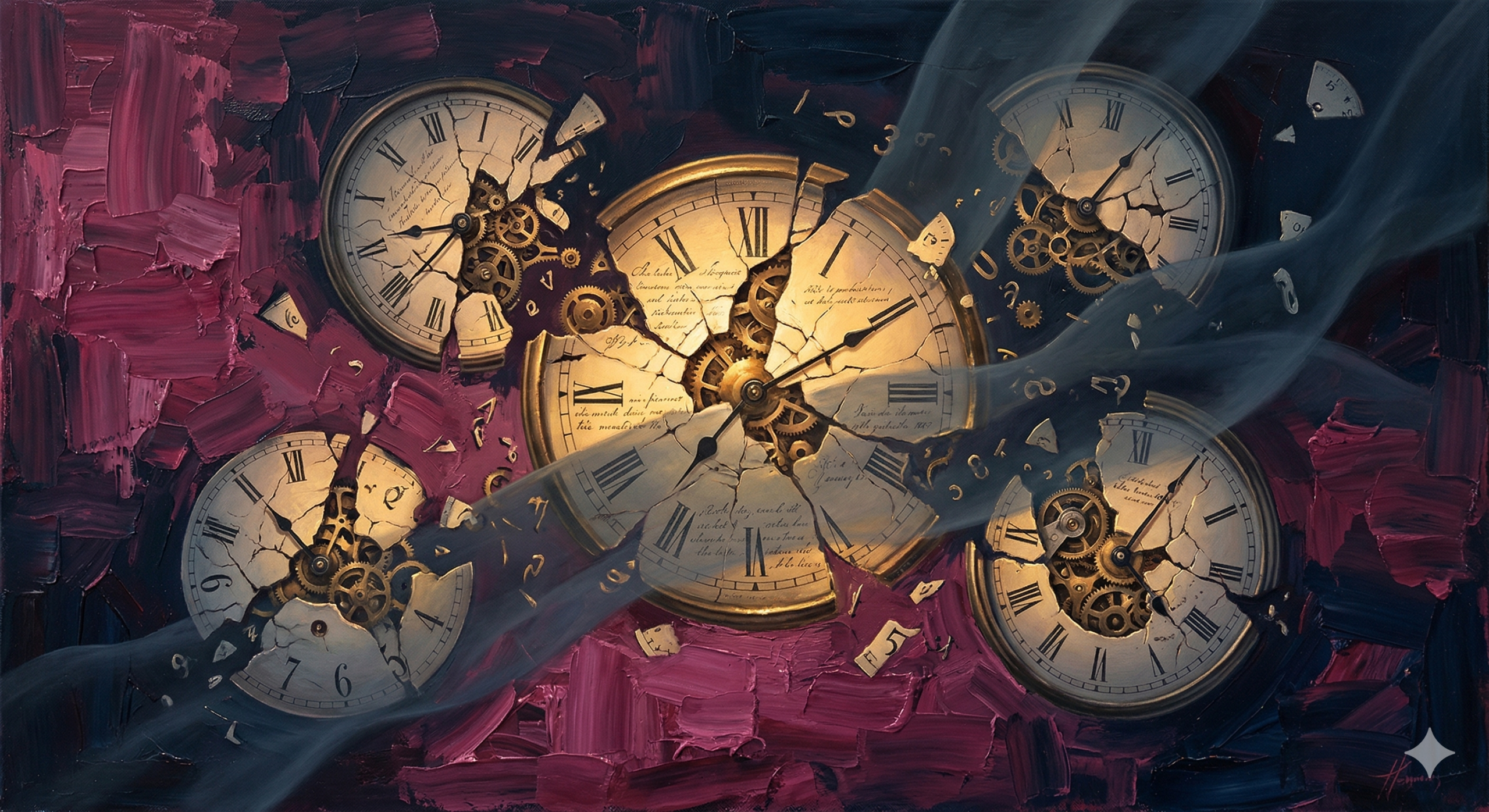
Trauma fractures the body’s natural tempo. Research shows that PTSD creates sustained hyperactivity in the nervous system. The body forgets what “safe pace” feels like. It adopts survival mechanisms: rushing, freezing, shutting down. The breath interrupts itself. The shoulders brace before sound. The system stays half-finished, waiting for the next impact. For years, my body held its breath. Not dramatically. Just constantly. The inhale came sharply. The exhale never quite finished. That incomplete rhythm became my baseline. I thought it was just who I was now.
The Body Relaxing You
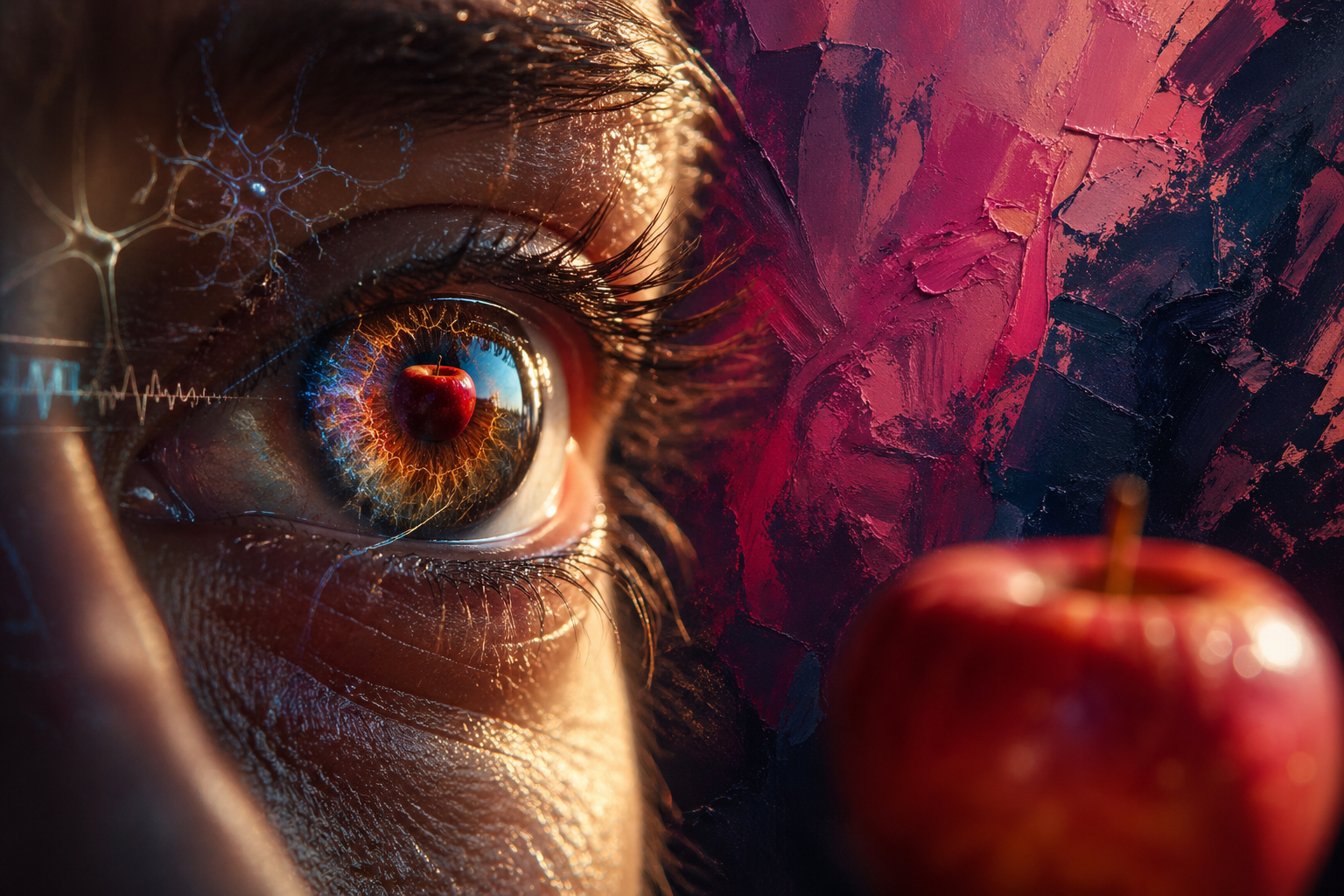
Healing required me to see that control is not the same as coherence. Control compresses life into predictability. Coherence lets it move. For most survivors, control becomes armor. We think that if we can just manage everything, we can prevent the next wound. Control was intelligence. It was love disguised as vigilance. But I had to stop treating my body as something that needed to obey me. I started listening as if it were a wiser partner. That’s where the reversal happened. When the body finally feels it’s no longer being coerced into calm, it begins to calm on its own. The muscles release not because you tell them to, but because they no longer need to hold the world up. Scientists call this “pendulation.” The natural rhythm between contraction and expansion. The body’s intrinsic tempo is returning.
Creation Restores Agency
When trauma happens, something was done to you. The body learned to respond, not initiate. You become a witness to your own life, trapped in reaction. But in creation, something reverses. You become the one who acts again. It doesn’t have to be grand. Writing a sentence that tells the truth. Allowing the hand to trace a movement the mind didn’t plan. Speaking a sound that once stuck in the throat. In that instant, the body reclaims authorship. Recent studies confirm that creative expression improves trauma processing by providing healthy distance and enhanced emotional access. Creation transforms pain by giving it form. When something has form, it stops floating like a ghost inside the body. It finds gravity again.
The Pace of Peace
Peace isn’t what happens after you heal.
It’s what’s been waiting underneath your effort all along. Most of what we’re taught turns peace into a reward. Something you earn once you’ve faced everything, forgiven everyone, and finished the work. But peace isn’t an achievement. It’s a presence that never stopped existing. When I slowed down enough to listen to my own body, I realized peace was never missing. It was simply moving at a pace I hadn’t yet learned to trust. The body doesn’t heal in grand moments of revelation. It heals in the micro-rhythms. The breath between words. The pause between memories. The gentle space where life keeps moving, even when we don’t force it to. If I had to distill what “finding your pace” means, it would be this: One breath, followed all the way to its end. Let the exhale arrive completely, even if it trembles. Feel what happens in the silence that follows. The heartbeat. The weight of your body. The faint pull of gravity reminds you that you’re still held. In that moment, the body remembers the sequence. Beginning, middle, end. That’s the first rhythm of safety. From there, every other rhythm can find its timing again. Movement. Emotion. Story. Relationship. Because the pace of peace is not about slowing down. It’s about allowing life to move at the speed of trust. And trust always begins with one full breath.
Jean Dorff is a trauma recovery coach, author, and founder of The Empowering Story, where he helps survivors reclaim their voices through embodied healing and structured storytelling. His work integrates somatic approaches with narrative coaching to support trauma recovery.