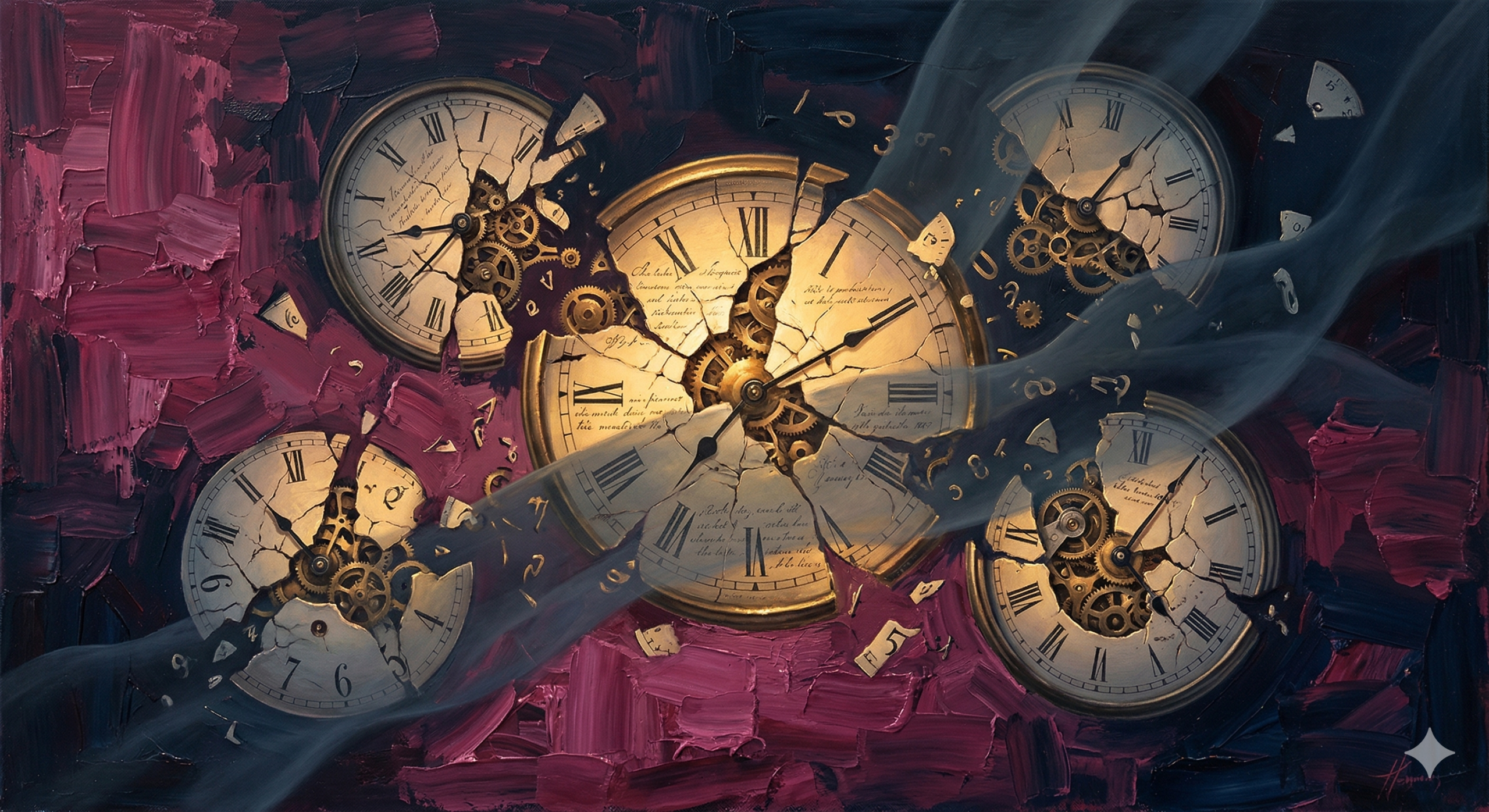

How Trauma Survivors Can Reclaim Their Stories and Find Healing
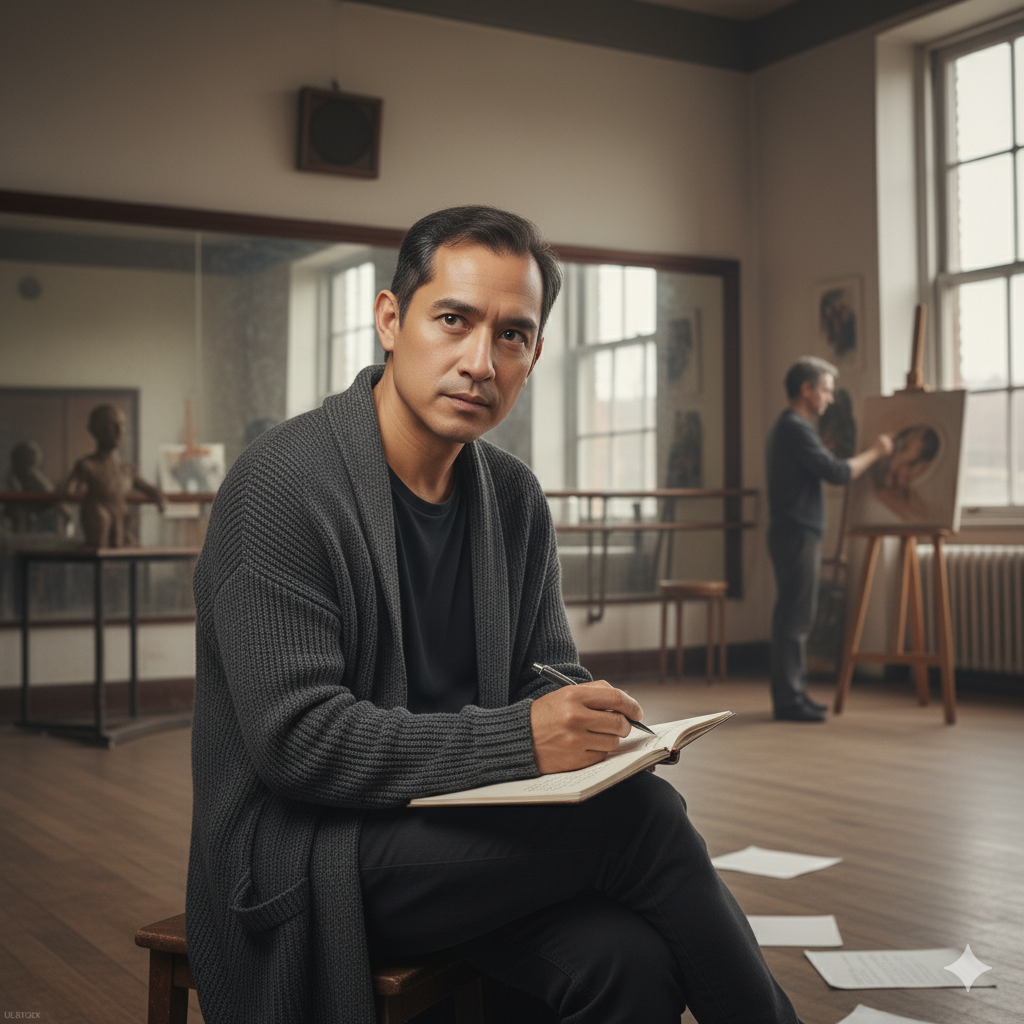
After surviving childhood sexual abuse and spending 17 years in silence, trauma recovery coach and author Jean Dorff explores the neuroscience of trauma, the power of narrative healing, and how survivors can safely reclaim their voices. This evidence-based guide combines personal experience with trauma-informed coaching principles to help survivors understand their body’s protective responses and find a path from silence to integration.
There was a moment, years after the abuse ended, when I realized silence was no longer my refuge. It had become my cage. Someone asked me a simple question: “What happened?” My throat tightened. My hands went cold. The room felt heavy with a truth that had been buried so long it had learned to disguise itself as calm. For years, that calm had been my survival strategy. It kept me functional, composed, even successful. It made other people comfortable. Silence had been the bridge that allowed me to walk through the world without constantly falling apart. But in that moment, I saw the cost. Every unspoken word had built another wall between me and the world I wanted to belong to. The very thing that had saved me was now performing the same job as the abuser: keeping me small, hidden, contained.
The Body Keeps the Logic
I thought I was simply nervous. That I just needed to push harder to get the words out. I understand now that my body wasn’t betraying me. It was protecting me in the only way it knew how. That tightening in my throat, the numbness in my hands, the shallow breath—those weren’t random symptoms. They were messages from a nervous system that still believed speaking was dangerous.
Neuroscience research, particularly the work of Dr. Bessel van der Kolk documented in The Body Keeps the Score, confirms what survivors instinctively know: the body holds onto trauma even when the thinking brain tries to forget. The fear, helplessness, and visceral sensations remain imprinted in our nervous system. Trauma survivors’ muscles tense in patterns matching their original trauma, even without conscious memory—a phenomenon known as somatic memory. In the past, silence had kept me safe. The body had learned that expressing truth invited pain, disbelief, or punishment. So even years later, when my mind knew the danger had passed, my body hadn’t yet received that update. This disconnect between cognitive understanding and somatic response is central to understanding post-traumatic stress and why traditional talk therapy alone often isn’t enough for trauma recovery. The body keeps the score. But what we don’t emphasize enough is that the body also keeps the logic. My freeze wasn’t a weakness. It was precision. My nervous system was trying to keep me alive, according to an old map.
The Most Common Old Logic
When I work with trauma survivors in my coaching practice, I see the same pattern again and again: safety depends on control. The body learned early that unpredictability meant danger. So it built an entire internal architecture around preventing surprise—staying watchful, hyper-functional, compliant, or invisible. The body still measures safety not by calm, but by certainty. That’s why so many survivors feel uneasy when life finally quiets down. Peace can feel suspicious. The nervous system, still governed by old rules, whispers: Don’t relax. Something always happens when you do. Even love or kindness can trigger alarm because they carry echoes of manipulation, of moments when tenderness was followed by harm. Another old logic I often see: If I stay small, I stay safe. The body remembers the cost of visibility. It associates being seen, expressing emotion, or setting boundaries with danger. So even when the mind says, “I want to heal, to speak, to be known,” the body still pulls back. The voice tightens, posture collapses, energy withdraws. Deep down, the body believes silence and stillness equal survival.
When Peace Feels Like a Threat
Most people assume peace is the goal. But for survivors, peace can be profoundly unsettling at first. When you’ve lived most of your life in survival mode, stillness doesn’t feel safe. It feels exposed. The nervous system has learned that quiet moments are often the prelude to danger. In abusive environments, calm wasn’t peace—it was the silence before the next blow. So later in life, when things are finally calm, the body doesn’t interpret that as relief. It interprets it as a threat it can’t yet identify. That’s why many survivors unconsciously recreate chaos, tension, or emotional intensity. They’re not sabotaging their healing. Their bodies are seeking familiarity. Safety, after trauma, is not the same as peace. It’s predictability. The nervous system trusts what it knows, even if what it knows is pain. When survivors begin to break their silence, what they’re really seeking isn’t immediate peace. It’s truth, coherence, and connection. Speaking their story is the body’s way of testing whether the world can now hold what it couldn’t before. They’re asking: Is it finally safe to exist as I am? Peace, in this sense, is not the starting point. It’s the byproduct of being met without denial or dismissal. When the story is witnessed without collapse or correction, the body learns a new association: I spoke, and I’m still safe. Real peace isn’t the absence of disturbance. It’s the presence of safety strong enough to let truth exist in the room.

What Society Protects by Looking Away
When we refuse to witness trauma stories, we’re not protecting survivors. We’re protecting our illusion of safety. Most people want to believe the world is fundamentally fair, that harm happens somewhere else, to someone else, for a reason we can distance ourselves from. A survivor’s story threatens that fragile order. It says: No, the world is not always fair. And no, goodness doesn’t always protect you. That’s unbearable for many to face, because it collapses the fantasy that control, morality, or privilege can guarantee safety. We also protect our comfort. Real listening demands proximity. It asks us to enter a reality that doesn’t have a neat ending. To witness trauma truthfully is to feel our own helplessness, to sit with pain we can’t fix. In a culture obsessed with solutions and speed, helplessness feels intolerable. So we cover it with disbelief, victim-blaming, or silence, telling ourselves it’s “too heavy,” when in fact it’s too real. But there’s something even deeper: when we look away, we’re protecting our collective denial of how violence is woven into the systems that sustain our comfort—patriarchy, privilege, power. To hear a survivor is to confront not just one person’s suffering, but the machinery that allowed it. Listening becomes a moral act, because it implicates us. Society builds defenses that mirror the survivor’s body: numbness, avoidance, dissociation. Both are coping mechanisms. But one preserves life, the other preserves ignorance.
The Transformative Power of the Empathetic Witness
When someone listens with true empathy—without needing to fix, interpret, or soften what they hear—something sacred happens in the space between speaker and listener. For the storyteller, being witnessed without recoil tells the body a truth it never got to learn during the trauma: You can be seen in your pain and still be safe. This principle aligns with what researchers call “corrective emotional experiences”—moments when new relational patterns overwrite old trauma responses. That’s the moment the body begins to reorganize itself. The nervous system, once wired to expect rejection or punishment, experiences a new reality—one where expression leads to connection, not danger. The voice trembles, then steadies. Breath deepens. What was once fragmented starts to integrate. But the listener changes, too. True witnessing dismantles the illusion of separation. When you allow another person’s story to reach you without flinching, you confront your own vulnerability. You recognize that suffering isn’t an aberration. It’s part of the human condition. Empathy isn’t about merging with the pain. It’s about expanding your capacity to hold it without retreat. That expansion is a moral evolution. It stretches the boundaries of who we’re willing to include in our sense of “us.” What transforms, then, is the very field between them. The story stops being a private burden and becomes shared truth. The survivor moves from isolation into belonging, and the witness moves from innocence into awareness. Both gain something essential: the survivor regains dignity. The listener gains responsibility. Listening, when done right, is not passive. It’s an act of courage. It asks both people to stand in the raw light of truth without turning away.
When Storytelling Heals vs. When It Hurts
There is such a thing as storytelling that wounds instead of heals. The difference rarely lies in the story itself. It lies in the state of the storyteller and the safety of the space. When a survivor speaks before the body is ready, the telling becomes a reenactment instead of a release. The nervous system, still living inside the original threat, can’t distinguish between remembering and reliving. The words may sound coherent, but internally the body is back in the room, flooded with the same terror, shame, or paralysis it once endured. What’s worse, if that story is met with disbelief, pity, or silence, the body receives it as confirmation: See? It’s still not safe. Healing storytelling emerges from regulation, not reaction. It happens when the survivor has reclaimed enough agency to choose what to share, how to share it, and with whom. The story isn’t a cry for rescue anymore. It’s a declaration of authorship. The language might still tremble, but it carries consent. The survivor is no longer in the story. They are holding it. That shift—from being the story to owning it—is the difference between retraumatization and restoration. The environment matters just as much. Safe spaces are defined less by comfort and more by capacity. A safe listener is not someone who promises to protect you from pain, but someone who can stay present with you through it without rushing for closure. In The Empowering Story framework—a trauma-informed narrative coaching methodology I developed after my own 20-year healing journey—we move slowly. We don’t start with the telling. We start with the grounding. Helping the body learn that it can hold discomfort without dissolving. Only then do we approach the narrative—not to retell what happened, but to rewrite the relationship to what happened. Storytelling that heals doesn’t sensationalize the wound. It sanctifies the survival.
What Trauma Integration Actually Looks Like
Integration is not forgetting. It’s not even the absence of pain. It’s when the pain finally takes its rightful place inside a larger story—one that no longer ends in harm. When trauma is unintegrated, the story tells you. It interrupts your relationships, hijacks your nervous system, and colors every interpretation. You don’t recall it. You relive it. It has no beginning or end—only flashbacks, impulses, and loops of meaning. The past doesn’t feel past yet. Integration begins the moment the body no longer braces when the memory arises. You can touch it without falling in. There’s breath between you and the event. The image comes, the emotion stirs, but there’s also awareness: this is a memory, not a threat. That small space of self-witnessing is where control returns. From a narrative therapy standpoint, integration means the story gains coherence. It can be told in sequence. There’s perspective, not just experience. You can say, “This happened to me,” rather than “I am what happened.” The story moves from confession to meaning-making, from chaos to context. For many survivors, the surest sign of integration is when their story becomes useful—not as proof of pain, but as a presence of wisdom. They no longer tell it to release the weight, but to illuminate the path for others. Their identity expands beyond the trauma. It becomes one chapter in a life still being written. In somatic terms, integration looks like rhythm returning to the body. Sleep comes easier. Startle fades. The breath is no longer shallow. The body stops scanning for danger in every silence. You can rest without vigilance. You can feel joy without guilt. You can be still and not mistake it for a threat. That’s when you know the story no longer controls you. You may still carry its scar, but it’s no longer the map. It’s simply part of the landscape of who you’ve become. Integration isn’t about moving on. It’s about moving with. It’s when the past stops being an intruder and becomes a teacher.
Trauma Storytelling: Between Healing and Performance
When a survivor begins to share their story publicly, the danger isn’t just exposure. It’s identification. The world loves a redemption arc. It rewards vulnerability that is digestible, pain that is polished. And so, without meaning to, survivors can begin curating their story for others’ comfort, shaping it into what will be heard, applauded, or published—until the narrative that once freed them starts to bind them again. The distinction I teach is this: who is the story serving? When the story is serving the survivor’s integration, it moves from the inside out. The intention is expression, coherence, and truth. There’s freedom in the telling—even if the voice shakes. But when the story begins serving the audience, it moves from the outside in. The intention shifts toward approval, validation, or belonging. The voice may sound confident, but underneath it, the nervous system tightens again. The body feels the difference. That’s why in my work with survivors I teach the distinction between authorship and ownership. Ownership says, “This is my story.” Authorship says, “I decide when and how it is told, and why.” The why determines whether the telling is medicine or performance. There’s also an important boundary to hold with audiences. The world has a long history of consuming trauma as spectacle—what some call “pain porn.” Survivors must learn they owe no one their story. Sharing should always be an act of generosity, not obligation. When survivors speak from integration, the story stops being a wound people stare at. It becomes a mirror they see themselves in. Healing storytelling isn’t about being seen. It’s about seeing differently. When a survivor reaches that place, they can share without being reduced, and the story remains what it was always meant to be: a bridge, not a brand.
When Trauma Healing Becomes Social Justice
When a survivor reclaims their narrative, they’re not just healing a wound. They’re rewriting a social contract. Trauma is never purely personal. It’s always relational, always enacted within systems of power. So when someone says, “This is what happened, and this is who I am now,” they are doing something profoundly political: they are refusing erasure. Silence is the soil where injustice grows. Every culture that perpetuates abuse—whether sexual, racial, institutional, or domestic—depends on two things: the isolation of the victim and the collective willingness to look away. Research shows it can take survivors an average of 17 years before they begin sharing openly about their abuse—a statistic I know personally to be true. When a survivor steps forward with a coherent story, they collapse both. They make what was invisible visible, and what was hidden human. The personal story is the smallest unit of social change. Not because it demands pity, but because it reclaims authorship. The survivor stops being the object of the story and becomes its author, disrupting the narratives of shame and power that once silenced them. That act challenges not only their internalized oppression but also the cultural myths that allowed it—myths about obedience, purity, gender, race, forgiveness, and strength. This is where personal transformation becomes resistance. A regulated body telling an integrated story becomes a counter-narrative to the world’s hierarchy of who gets to speak and who must stay quiet. It says: You cannot define me by what you did to me. And as more survivors do this, the collective narrative begins to shift. Their stories—when told with agency, not desperation—start to form a chorus that questions the moral architecture of society itself. It’s no longer, “How do I survive in this world?” but, “What kind of world makes survival this hard?” That question is the seed of justice. Healing can be an act of resistance—not because it seeks revenge, but because it restores truth. It transforms pain from something that isolates into something that connects. And when enough people reclaim their stories, silence itself becomes untenable. That’s when healing moves from the body into the body politic.
What I Now Understand About Peace
For most of my life, I thought peace was the opposite of pain—something I would reach once the memories stopped hurting, once the body stopped remembering. I imagined peace as quiet, as stillness, as the end of turbulence. But silence taught me otherwise. Silence wasn’t peace. It was a pause held hostage. When my throat first closed, when the words refused to move, I mistook that paralysis for composure. I believed if I could just keep everything contained—if I could appear calm, successful, in control—I’d finally be free of it. But that kind of peace was sterile. It demanded that I amputate parts of myself to stay acceptable to others. It was the peace of pretending. Today, I understand peace differently. It’s not the absence of disturbance. It’s the ability to stay whole within it. True peace arrived not when I stopped feeling, but when I stopped fighting what I felt. When I realized that the trembling voice, the racing heart, the tears—all of it—were not signs of weakness but signs of return. My body wasn’t betraying me. It was rejoining me. Working with hundreds of survivors over the past decade has deepened that understanding. I see now that peace is relational. It doesn’t live in isolation. It lives in connection, in being met without judgment. Every time a story is told and truly heard, a small piece of peace enters the world—not just for the speaker, but for all who listen. So when I speak about peace now, I don’t mean serenity. I mean the truth that no longer needs to be hidden. I mean the breath that finally reaches the bottom of the lungs. I mean the silence after speaking—not because you’ve run out of words, but because your words have finally been received. That’s what I couldn’t have known when I was still silent: Peace isn’t what waits on the other side of the story. Peace is what begins when you no longer have to hold it alone.

To the One Who Isn’t Ready Yet
If your throat still tightens when you try to speak—if your body stiffens, your breath catches, and the words retreat into the dark—please know: nothing is wrong with you.Your body isn’t broken. It’s brilliant. It’s doing what it once had to do to keep you alive. That freeze, that silence, was love in disguise—your own nervous system wrapping its arms around you, saying, “Not yet. It’s not safe yet.” Don’t force the words. Don’t measure your progress by how much you can say. Healing isn’t a performance of courage. It’s the slow return of safety. Sometimes the most profound act of recovery is simply allowing yourself not to be ready. Start smaller than speech. Start with breath. Notice when your chest loosens, even for a second. With feeling your feet on the floor, the air on your skin. That’s your story speaking, too—through sensation, through pulse, through presence. The words will come when your body knows it’s safe enough to tell them. And when they do, tell them to someone who can hold silence without filling it. Someone who can stay. Because you don’t have to carry this alone anymore—that’s the secret truth behind every survivor’s story: the healing doesn’t happen because you finally speak. It happens because someone finally listens. So if all you can do today is breathe, breathe knowing this: your voice isn’t gone. It’s waiting—patiently, wisely—for the moment it knows it will be met with care. And when that moment comes, your words will not tremble from weakness. They will tremble from release. Because peace doesn’t rush you. It waits for you to feel ready to meet it.
Jean Dorff is a trauma recovery coach, author, and the founder of The Empowering Story—a trauma-informed narrative coaching framework specifically designed for survivors of sexual abuse. With over a decade of experience helping survivors transform their stories, Jean combines evidence-based trauma recovery principles with narrative therapy and somatic practices. As a survivor himself who broke the silence after 17 years, Jean brings both lived experience and professional expertise to guiding others through structured, safe storytelling processes. His methodology helps survivors reclaim their voices, publish their stories, and transform personal healing into social impact.